
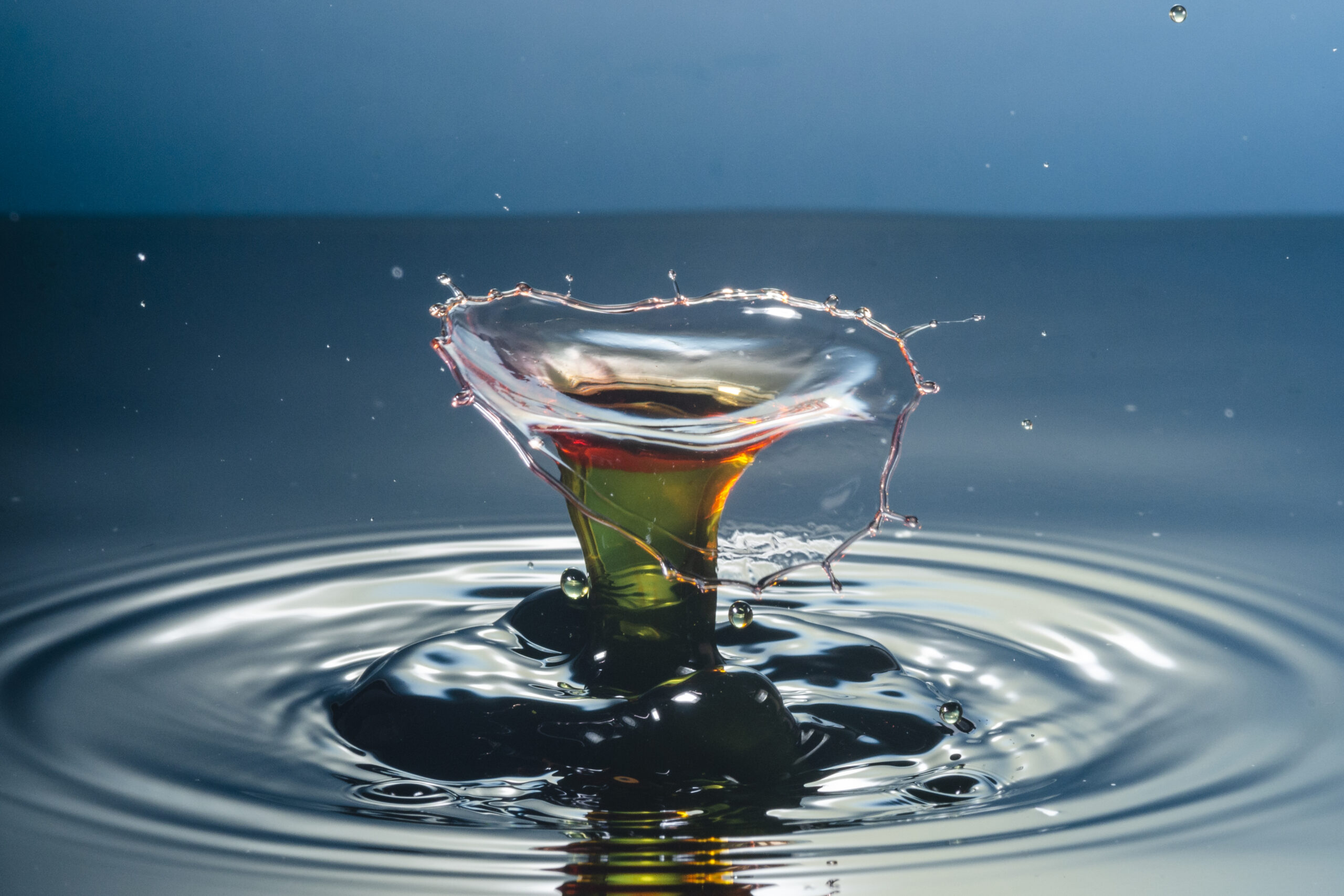
We often think of resilience as toughness—the ability to push through adversity, suppress difficult emotions, and keep going no matter what. But what if true resilience isn’t about being rigid at all?
What if resilience looks more like water?
Water is one of nature’s greatest teachers. It doesn’t fight against obstacles, yet over time it can shape mountains, carve canyons, and nourish entire ecosystems. It adapts, flows, and transforms without losing its essence. These same qualities offer valuable lessons for building emotional resilience in our own lives.
What Is Emotional Resilience?
Emotional resilience is the ability to adapt to life’s challenges without becoming overwhelmed by them. It doesn’t mean avoiding stress, pretending everything is okay, or never experiencing difficult emotions.
Instead, resilient people are able to:
- Recognize and process their emotions.
- Recover from setbacks more quickly.
- Adapt to unexpected change.
- Maintain hope during difficult times.
- Continue growing through life’s challenges.
Resilience is not something we’re born with—it’s a skill that can be developed. And nature gives us a beautiful model for how.
Lesson 1: Water Doesn’t Resist Change
Water is constantly changing form. It flows as a river, freezes into ice, evaporates into clouds, and returns again as rain.
Its form changes, but its essence remains the same.
Many of our emotional struggles come from resisting change. We hold on to old identities, relationships, expectations, or past experiences because they feel familiar, even when they no longer serve us.
The more tightly we cling, the more emotional energy we consume.
Learning to accept change doesn’t mean giving up—it means allowing ourselves to evolve. Just as water moves naturally through different states, we too can move through different seasons of life without losing who we are.
Lesson 2: Flow Around Obstacles Instead of Fighting Them
When a river encounters a large rock, it doesn’t stop flowing.
It simply finds another way.
Many people approach emotional challenges differently. They fight against painful experiences, replay past events repeatedly, or become stuck asking, “Why is this happening to me?”
While it’s natural to question difficult experiences, staying in resistance often prolongs suffering.
Emotional resilience involves asking more empowering questions:
- What is this experience teaching me?
- How can I respond rather than react?
- What is within my control?
Like water, we don’t always need to remove the obstacle. Sometimes we simply need to learn how to move around it.
Lesson 3: Suppressed Emotions Build Pressure
Imagine placing a lid on a pot of boiling water.
Eventually, pressure builds until something has to give.
Our emotions work much the same way.
Ignoring sadness doesn’t make it disappear.
Suppressing anger doesn’t eliminate it.
Avoiding grief doesn’t prevent pain.
Instead, these emotions often become stored in the body, showing up as chronic stress, anxiety, muscle tension, fatigue, or emotional overwhelm.
Emotional resilience isn’t about suppressing feelings—it’s about creating healthy ways to process them.
This may include journaling, meditation, therapy, hypnotherapy, breathwork, or simply allowing yourself to fully experience an emotion without judgment.
When emotions are acknowledged, they naturally begin to move instead of remaining stuck.
Lesson 4: Flexibility Is Greater Than Rigidity
One of water’s greatest strengths is its flexibility.
A rigid branch snaps during a storm.
A flexible reed bends with the wind and survives.
The same principle applies emotionally.
People who insist life must unfold exactly as planned often experience greater frustration when things inevitably change.
Those who cultivate flexibility tend to recover more quickly because they adjust rather than resist.
Flexibility doesn’t mean lowering your standards or abandoning your dreams.
It means remaining open to different paths, different timing, and unexpected opportunities.
Lesson 5: Still Water Reflects Clearly
When water is constantly disturbed, it becomes cloudy.
When it is still, everything becomes clear.
Our minds work in much the same way.
When we’re overwhelmed by constant stimulation, stress, and worry, it’s difficult to make thoughtful decisions. We react impulsively instead of responding with awareness.
Creating moments of stillness allows the nervous system to settle and brings greater clarity.
This is why practices like mindfulness, meditation, spending time in nature, or simply sitting quietly can feel so restorative. They aren’t about escaping life—they’re about creating the inner space needed to meet life with greater wisdom.
Cultivating Your Own Flow State
Flow isn’t about avoiding life’s challenges. It’s about learning to move through them with greater ease.
Developing emotional resilience starts with small daily practices:
- Notice your emotions without judging them.
- Accept that change is a natural part of life.
- Focus on what you can control instead of what you can’t.
- Create regular moments of stillness and reflection.
- Support your nervous system through practices that help you feel grounded and safe.
- Trust that difficult seasons are temporary and often lead to meaningful growth.
Like a river, resilience isn’t measured by how forcefully you push forward. It’s measured by your ability to keep moving, adapting, and finding your way.
Final Thoughts
Water reminds us that strength doesn’t always look like resistance.
Sometimes strength looks like softness.
Sometimes it looks like patience.
Sometimes it means allowing ourselves to feel deeply instead of pretending we’re unaffected.
Life will continue to bring change, uncertainty, and unexpected challenges. We can’t control every current, but we can learn how to navigate them with greater awareness and compassion.
When we stop fighting every wave and begin flowing with life’s natural rhythms, we discover something remarkable:
Resilience isn’t about becoming unbreakable.
It’s about becoming adaptable.
And like water, there is extraordinary strength in that.
